Your Trusted Real Estate Advisors. Let Us Help You!
The Wealthy Barber Retires - Departing wisdom for Canadians
By Lora Grady : Personal finance Reporter for The Toronto Star.
Oct 12, 2026
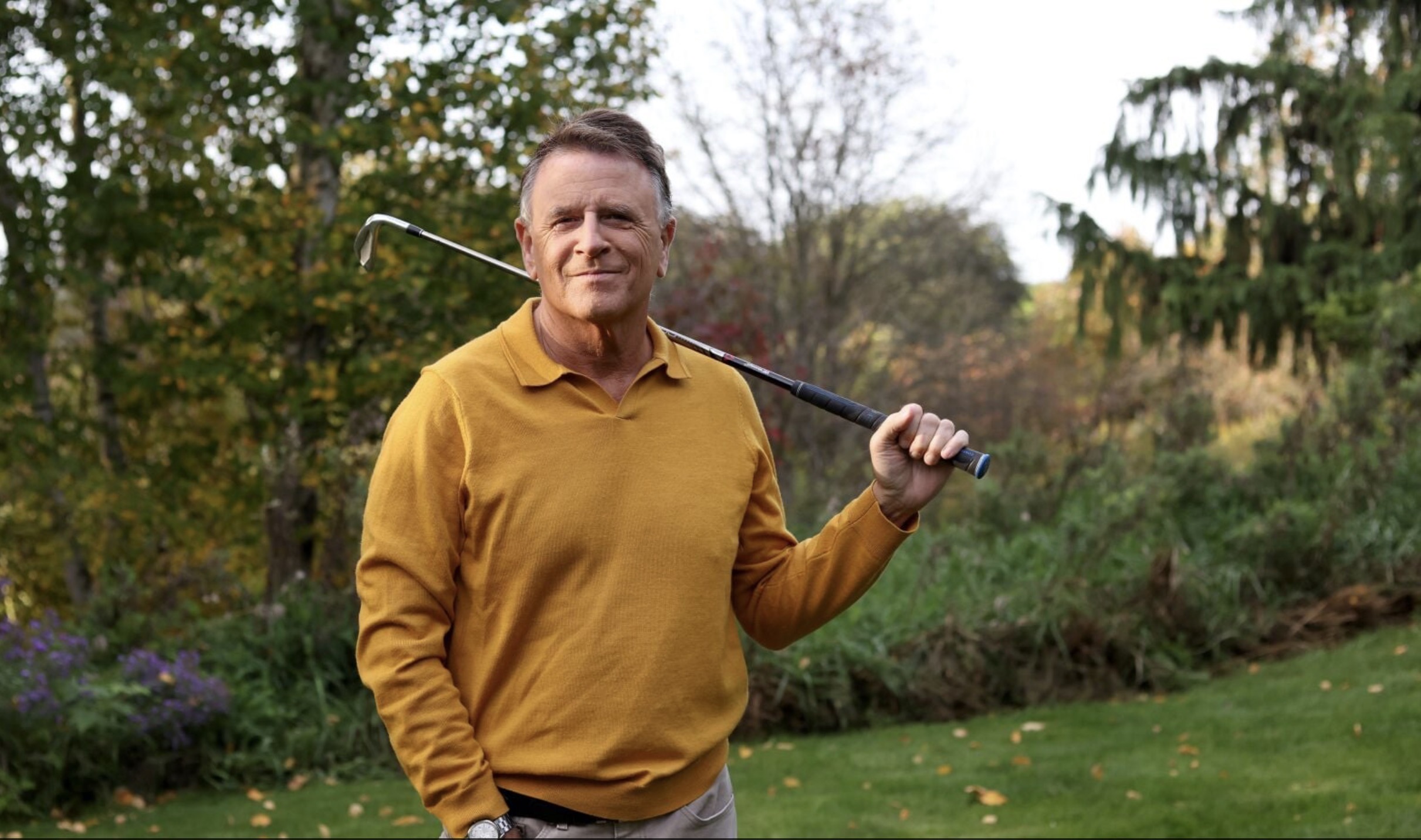
Chilton hadn’t planned to retire in 2026, but as a new grandfather and with several close friends facing serious illness, he's decided nothing is more valuable than being there for his loved ones.
“I've enjoyed it immensely,” he says of his writing, podcasting and social media work. “The downside is that it's hard to keep up — we really don't have the infrastructure to get back to everybody like we always have.”
Chilton built a career on the simple idea that anyone can get rich slowly. His 1989 debut book, "The Wealthy Barber," made him a household name by offering Canadians sound financial wisdom in plain language. In 2011, he wrote "The Wealthy Barber Returns," and last year he released a long-awaited updated version of the original with fresh advice tailored to today's economy.
So, as he winds down after 37 years as the country's most trusted financial voice, Chilton is offering one final round of advice — on index funds, advice-only planners and the biggest tax mistake retired Canadians make without even realizing it.
Why index funds, RRSPs and TFSAs are the best way to save for retirement in Canada
For Canadians saving for the long term, index funds should be a cornerstone of their investment strategy, Chilton says. All-in-one asset allocation funds, he adds, offer international diversification, automatic rebalancing and extremely low fees.
Index funds can hold equities, which means significant volatility is involved. At some point, he adds, there will be a prolonged downturn — frustrating for those invested in index funds and individual stocks alike. But if you can tolerate that volatility, he says, you’ll be rewarded with stronger long-term performance. "All of the evidence is now saying that index funds should be a big part of your equity component, if not 100 per cent of it."
When saving for retirement, a registered retirement savings plan (RRSP) is still often the best option for most Canadians when used strategically, Chilton says. “The public has turned against them a little bit because the tax-free savings account (TFSA) is so simple, so easy to understand, and you don't pay tax to withdraw the money,” he says. “People say, ‘Oh, that's what I should have done instead of RRSPs,’ but there's a fundamental misunderstanding there.” RRSP withdrawals are taxed, but retirees often fall into a much lower tax bracket than during their working years.
TFSAs are still an excellent tool for building retirement savings, Chilton says. “We need people trying to get as much money into those two vehicles as possible throughout their working life,” he adds, especially since fewer Canadians have workplace pensions today.
What is an advice-only financial planner — and do you need one for retirement?
For years, Canadians were told they'd need 70 per cent of their pre-retirement income to enjoy retirement. "I don't think that rule really holds,” Chilton says, adding that he knows many people who have had great retirements with less.
There is no blanket answer for how much Canadians need to save for retirement, he says. “Everybody's retirement is so different. There are many moving parts." That’s why he recommends a customized retirement plan from an expert.
Over the past five years, Chilton has seen powerful growth in the advice-only financial planning field. “For a lot of Canadians, that's not a bad starting spot as you do your retirement planning,” he says. Advice-only planners don’t sell financial products such as investments or savings accounts. Many hold strong credentials, including the certified financial planner (CFP) designation, and can help clients build a comprehensive plan covering retirement income, tax optimization and estate planning.
Working with an advice-only financial planner typically costs a few thousand dollars, Chilton says, but it’s a sound investment — one that can save clients tens of thousands on taxes, and sometimes hundreds of thousands. A financial planner can also walk you through worst-case scenarios and help you build flexibility in your retirement plan to adjust spending if your costs rise.
“I am not a believer in the DIY approach to retirement planning,” Chilton says. “I really believe you need help. This is very tricky stuff.”
Behind on retirement savings in your 50s? Here's what to do
Chilton has met many Canadians in their 50s who have started to panic about not saving enough for retirement. “One of the things I try to do is just to calm everybody and say, ‘Look, we can't do anything about the past. So, let's do the best we can from this point going forward.’ ”
The first step is accepting that you’ll probably have to work longer than you planned. “Not everybody wants to work those few extra years, but often that's the answer. There's no shortcut," Chilton says. Scaling back your lifestyle — such as downsizing your home — can cut costs and boost your savings rate. “As a planner, the biggest thing you're trying to do is be realistic. It's tough for people to accept, but when they do, most of those cases work out relatively well.”
Chilton says the biggest lesson he’s learned as the Wealthy Barber is that cutting back on spending rarely leaves people feeling deprived — it often makes them happier.
“There's a huge peace of mind that comes with getting your personal finances under control, with spending less than you make,” he explains. “The sense of achievement you see from people when they get out of credit card trouble, for example, is absolutely unbelievable. It's remarkable.”
How to reduce taxes in retirement
Too many Canadians skip advice on how to tax-optimize retirement income, Chilton says. “The amount of money they're leaving on the table is crazy. We're not talking hundreds of dollars a year — in many cases, it’s thousands or tens of thousands of dollars a year.” To make retirement income as tax-efficient as possible, Chilton recommends working with a financial adviser who specializes in retirement income planning and can guide you on how to draw from the right sources in the right order.
Many experts advocate RRSP meltdown strategies, where retirees withdraw RRSP funds earlier while delaying Canada Pension Plan (CPP), and in some cases Old Age Security (OAS). Every situation is different, which is why Chilton stresses the importance of consulting with a financial adviser.
Why fitness, purpose and hobbies matter as much as money
Chilton has watched a lot of friends struggle with the adjustment to retired life. “I think maybe they identified themselves more by their career,” he explains. “They just haven't had something to retire to.” You have to plan for how you want to spend your retirement, he adds.
His 93-year-old father struggled in the first years after retiring, but when he started teaching English as a second language and giving bridge lessons, the problems dissipated. “In fact, it turned into a very good retirement.”